A social media campaign is a marketing plan created generally by large companies to generate sales or to spread a message or awareness.
This can be done through organic advertising or paid advertising. organic is when a company does not pay for views or clicks and uses engaging posts onto social media (be that on Facebook, Instagram, TikTok etc.) to encourage an action from their audience. Paid is when a company pays for their posts to be promoted through avenues such as meta ads (covers Instagram and Facebook) or TikTok ads (still fairly new). Even with paid ads, it benefits the company to know their target audience so it can be set that they see the ads rather than people who don’t have an interest.
Before considering the specifics of advertising, the company must decide how they will encourage people to engage, because without the right post (could be imagery or video), people will not participate in their campaign.
The following are examples of good campaigns produced by companies:
Snag Tights
Snag tights is a company that produces tights in a variety of colours using the tag line “tights that fit”. They use a combination of both paid and organic advertising to encourage their audience to buy a product. They have ensured that their product actually works and then combined this with high quality customer service, to gain high reviews and return customers.
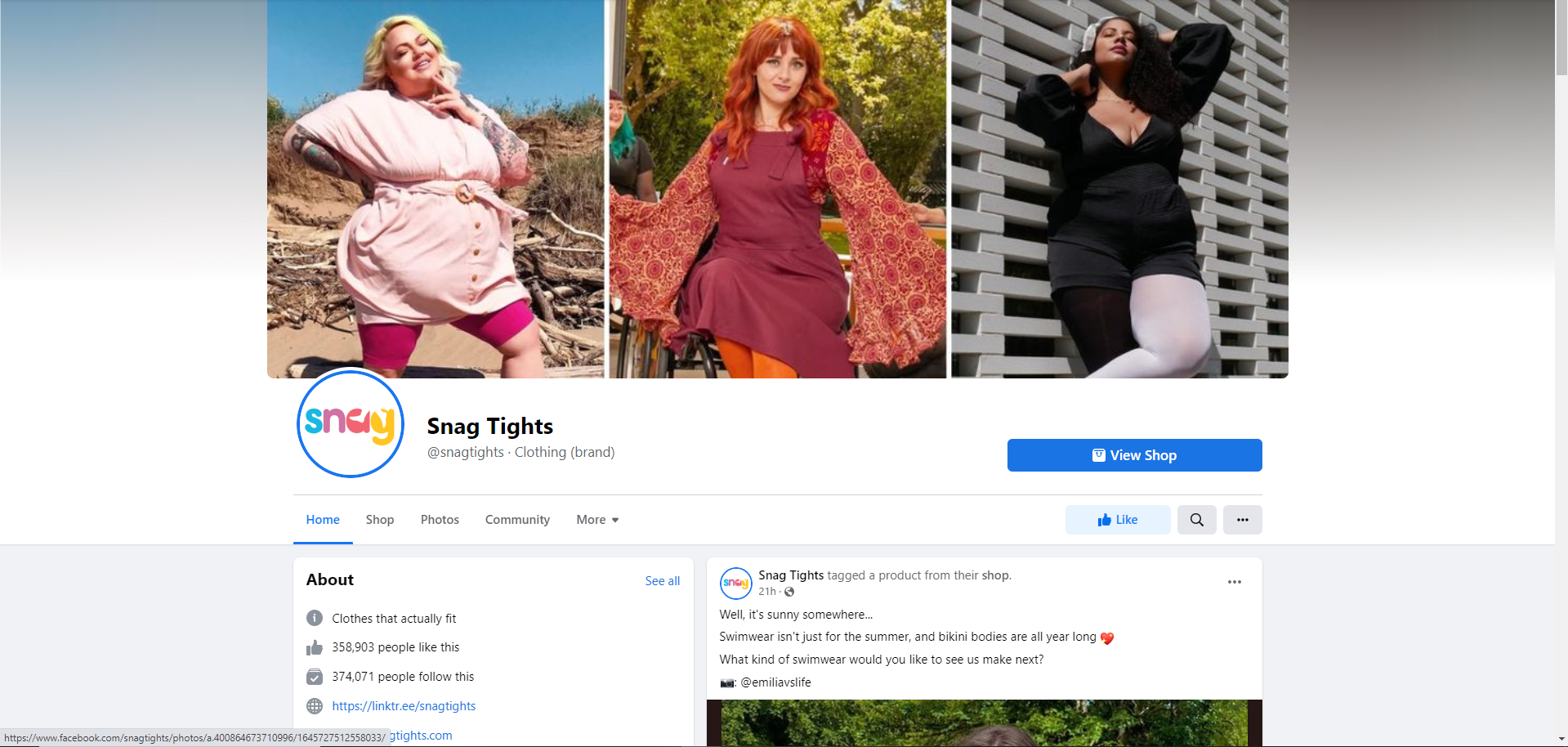
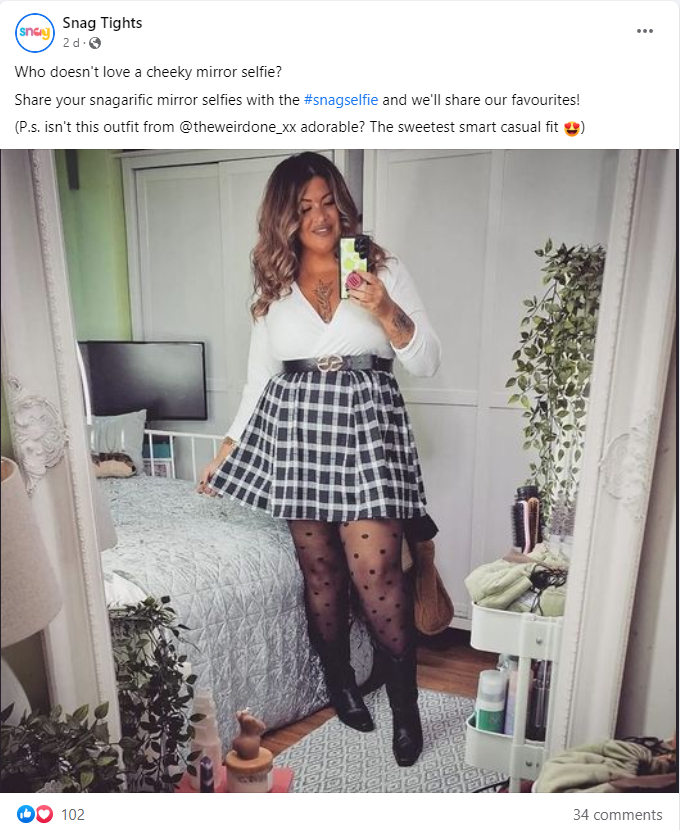
Snag tights have chosen to use friendly language in their posts, which compliments their product and business model well. Their first post is encouraging users to send in their images for a chance to be featured in one of their posts. This can be seen as quite attractive to people who are wanting to build their following on social media, as they would be getting posted by a company with over 300k followers on Facebook.
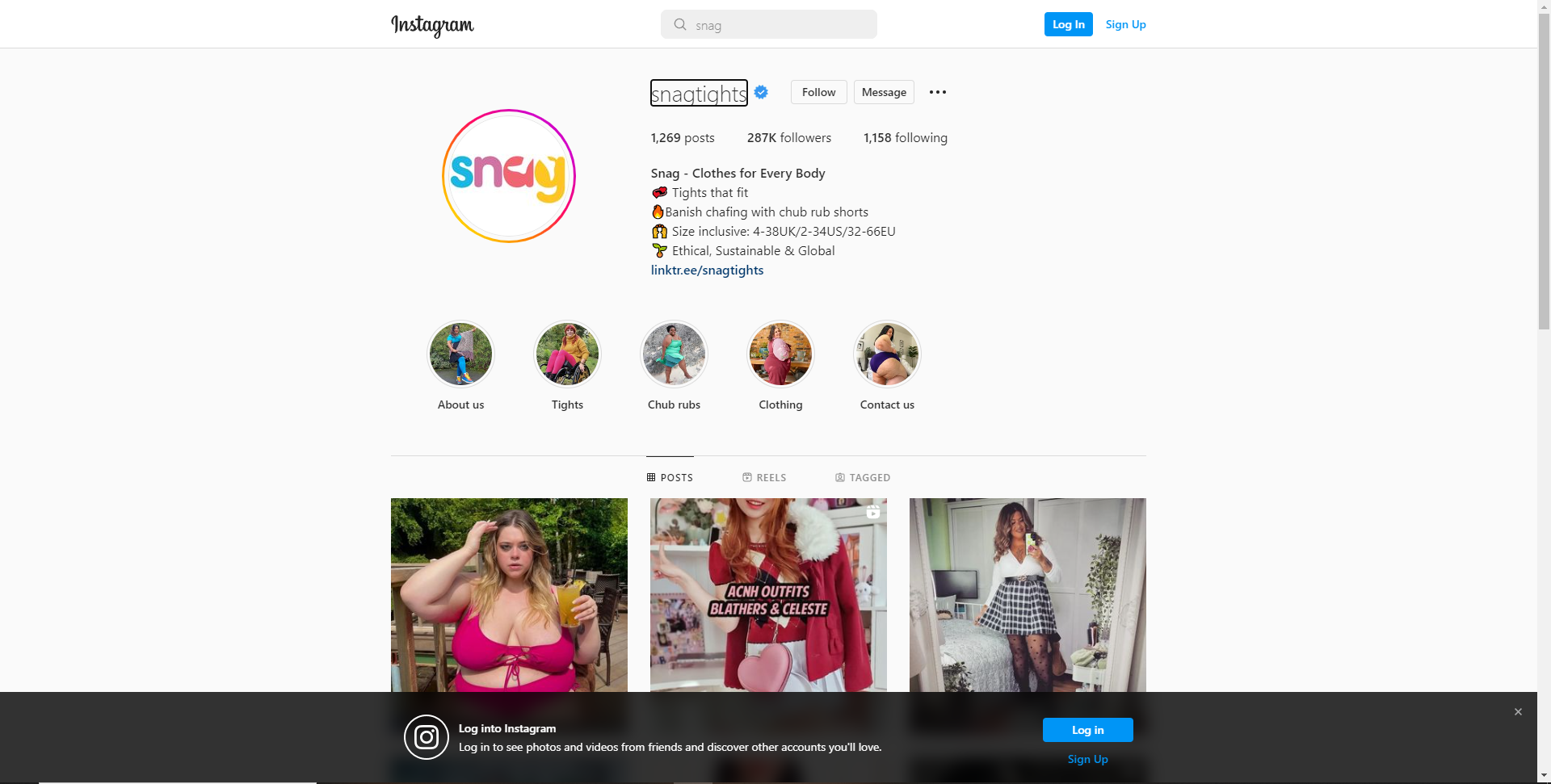
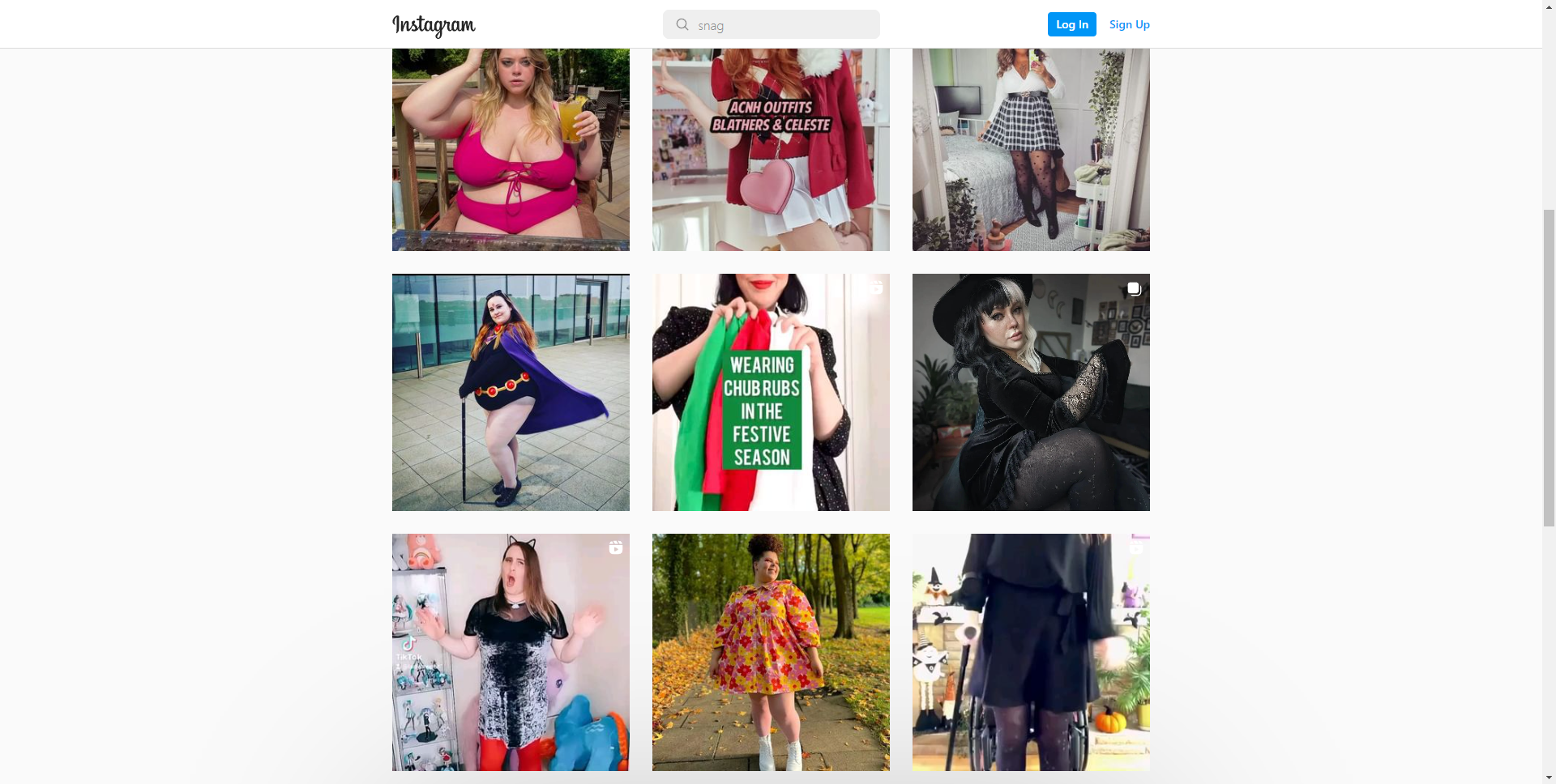
When you go to their Instagram page, you can then see they have kept their branding similar, with most posts being of their customers wearing the tights, giving a very personal feel. They have a variety of styles and body types shown, which tells the audience that they are inclusive.
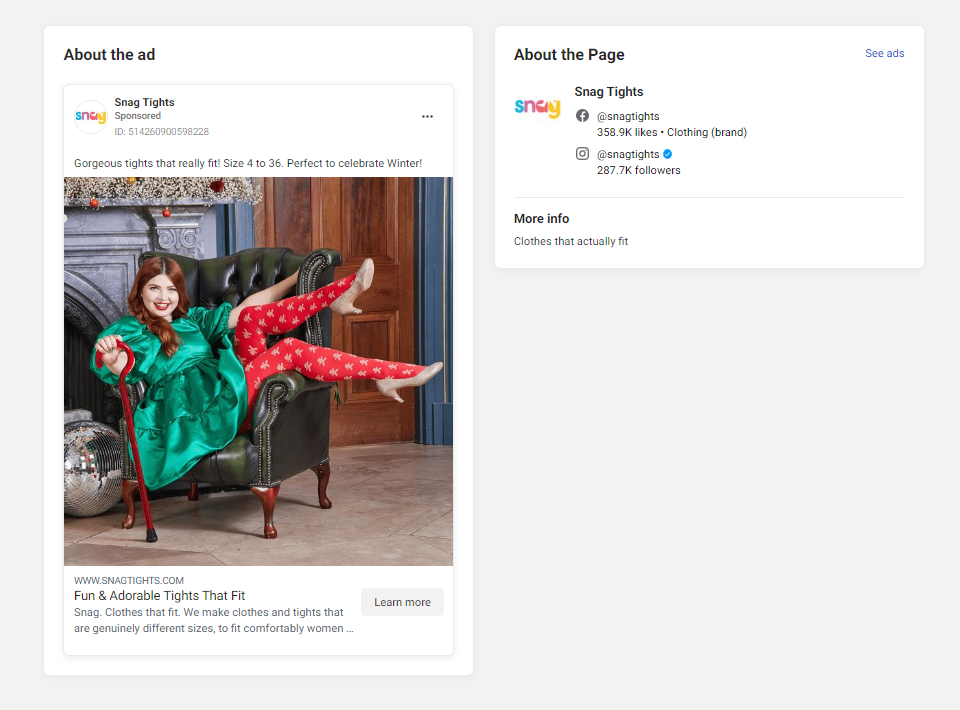
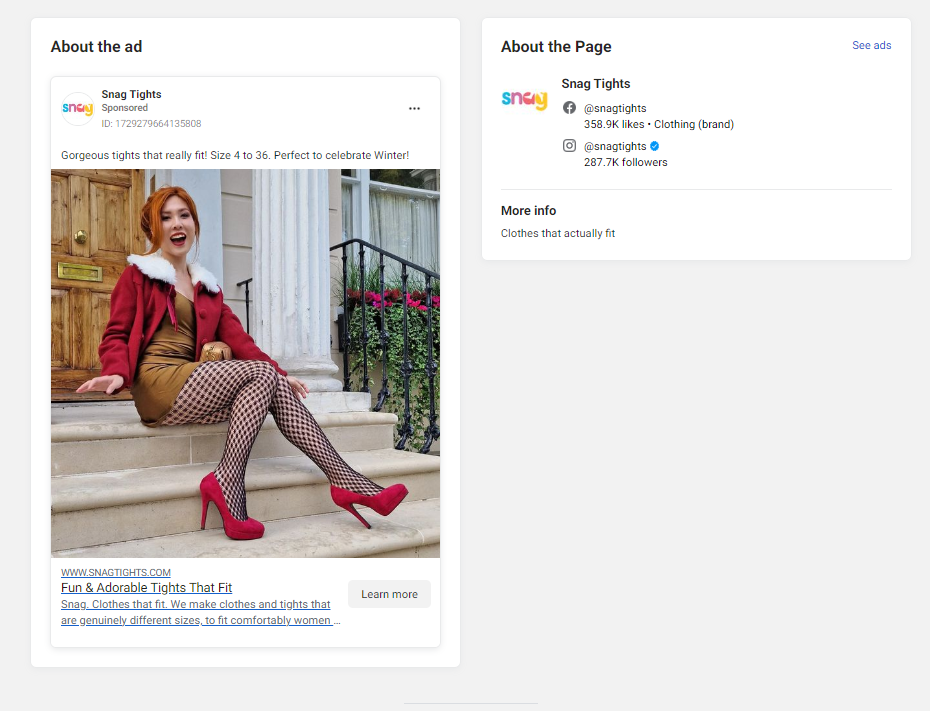
These are both paid advertisements done by Snag Tights through meta ads. Even their paid ads are keeping the similar vibe as their social media accounts, letting their customers talk for their product through images and reviews.
Made you look
Another type of social media campaign is encouraging users (primarily through TikTok) to use a short clip from an artists song in their video.
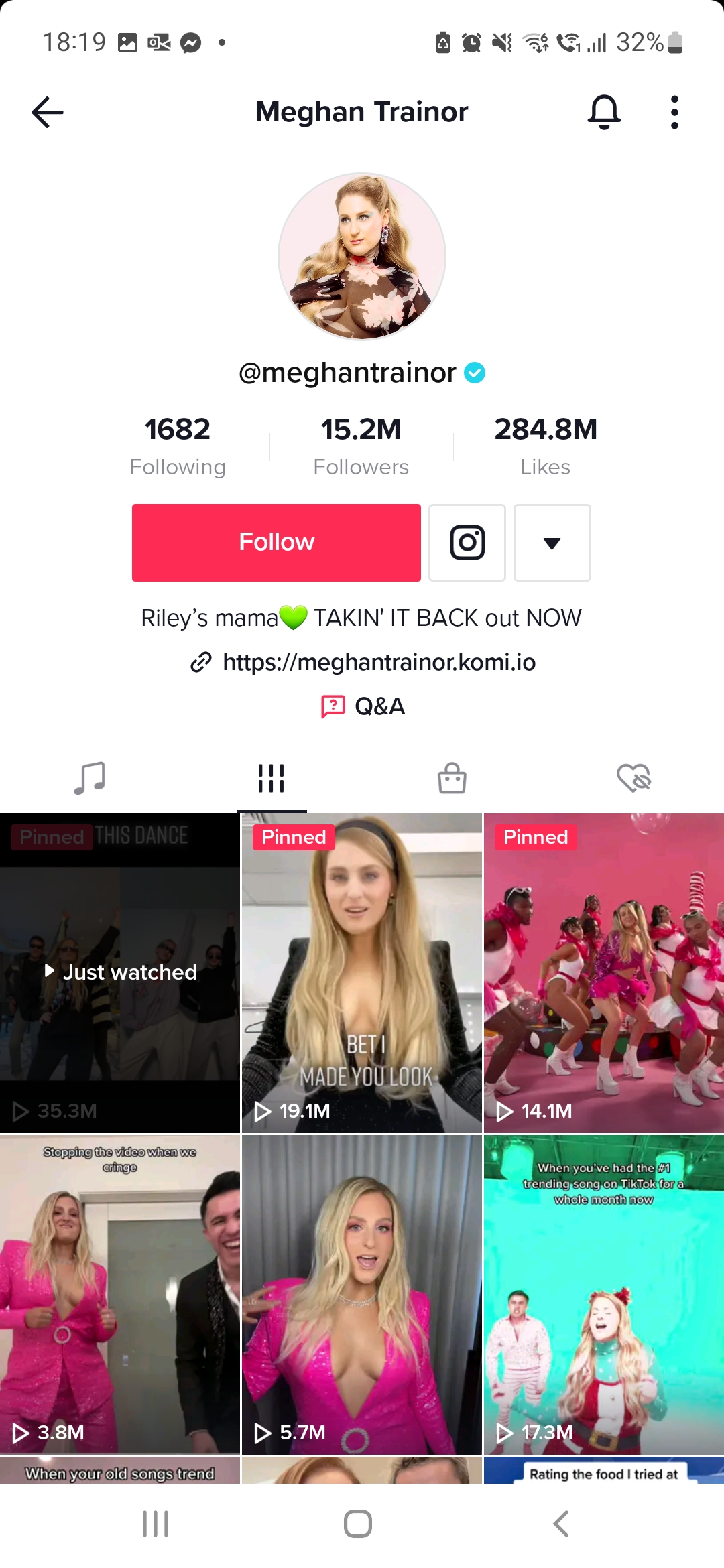
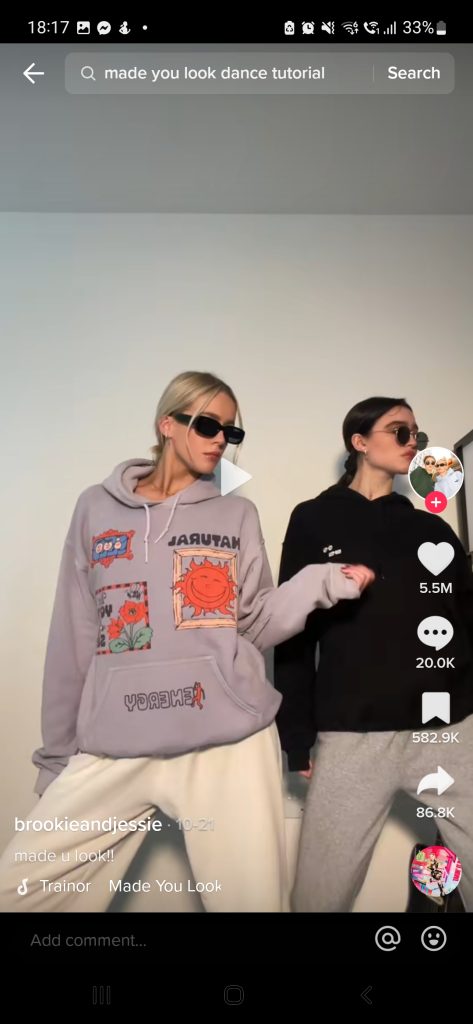
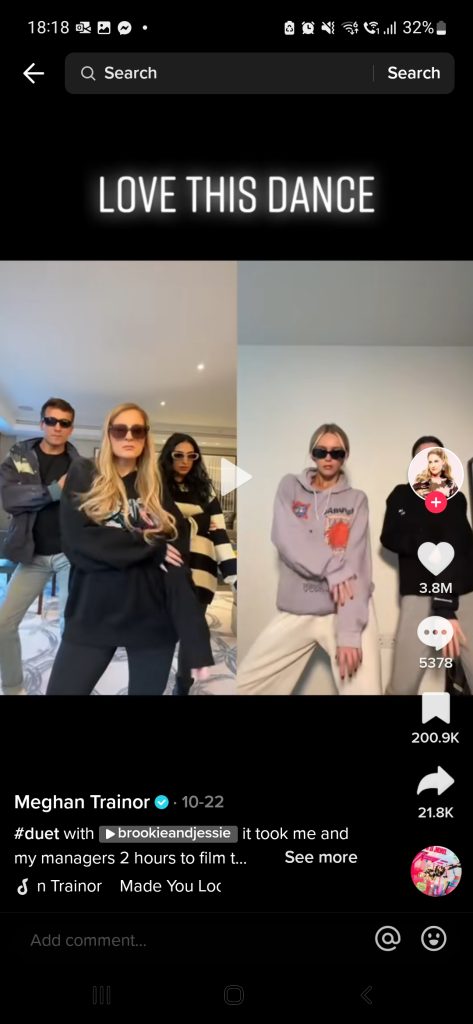
This has been extremely successful for American artist Meghan Trainor. She released a clip of part of her song Made you look, which when used to create a dance by user @brookieandjessie, went viral and users started to use Meghan’s song to do their own videos doing the dance.
When things started to pick up Meghan promoted the song by duetting the original dance video with a video of her doing the dance. By putting this on her profile, it encouraged her followers to do the same as her and video themselves doing the dance.
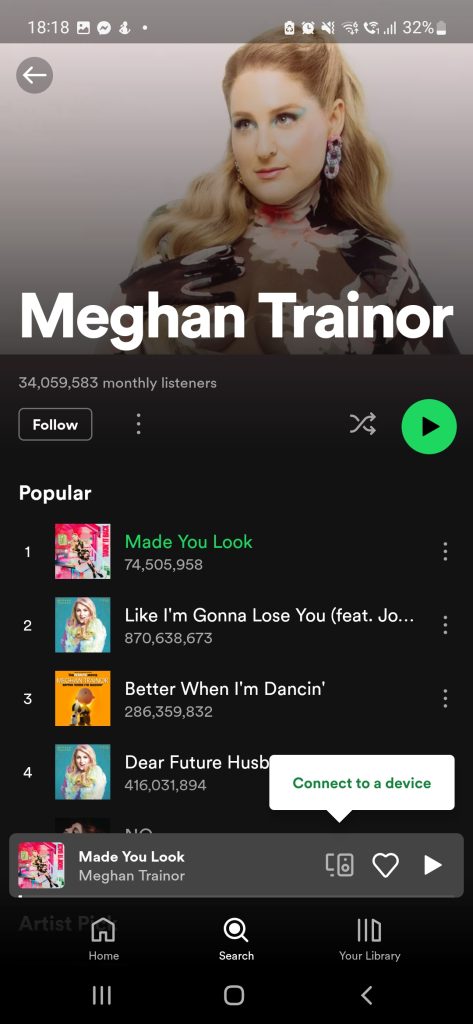
Following this, the song got over 74 million views on Spotify, which the unpaid TikTok campaign likely contributed to.
#likeagirl
A third social media campaign is the campaign #likeagirl created by Always. It was done in a way that encouraged women to battle stereotypes and take ownership of the phrase ‘like a girl’ that is often used in a patronising manner.
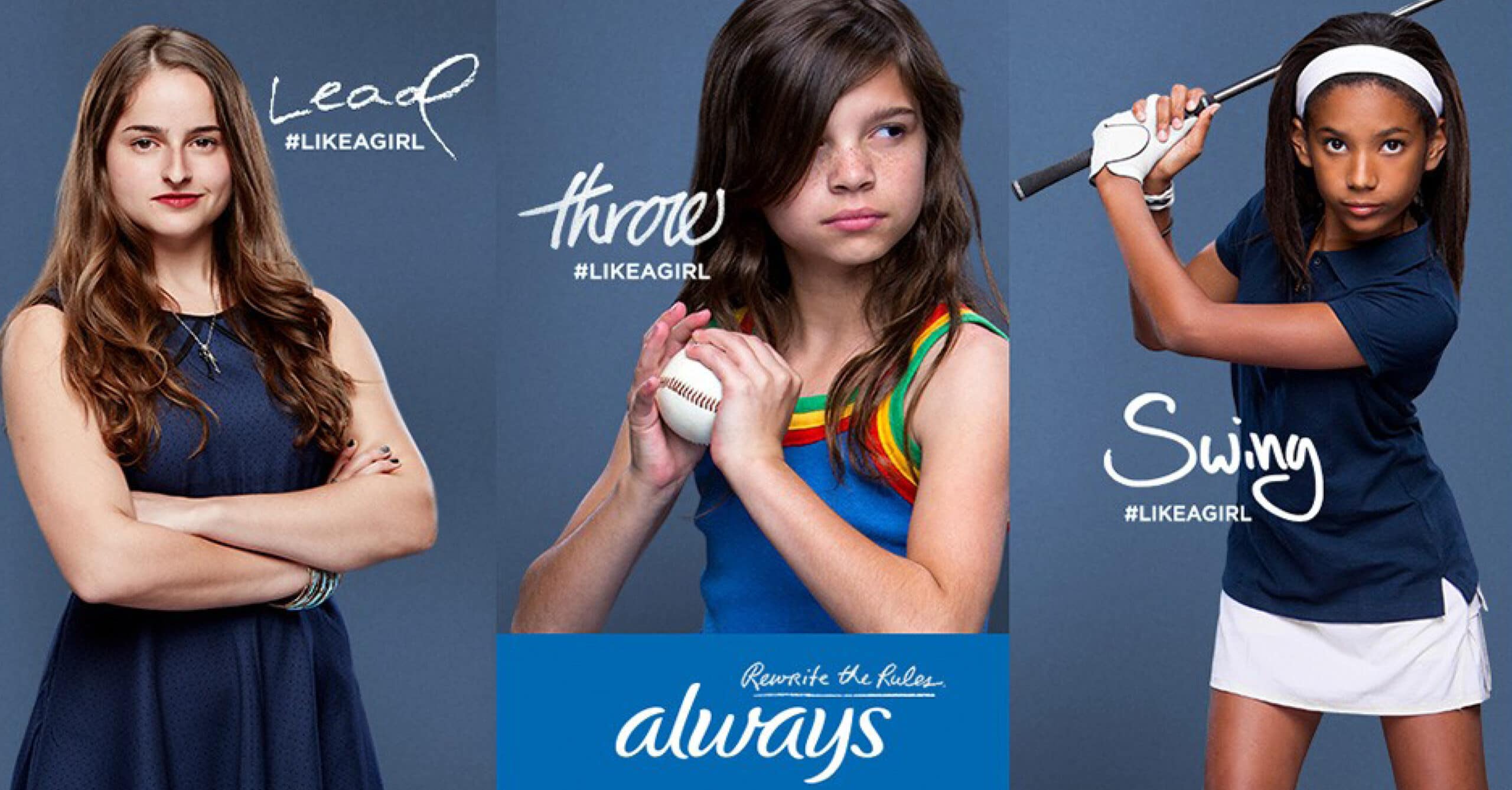
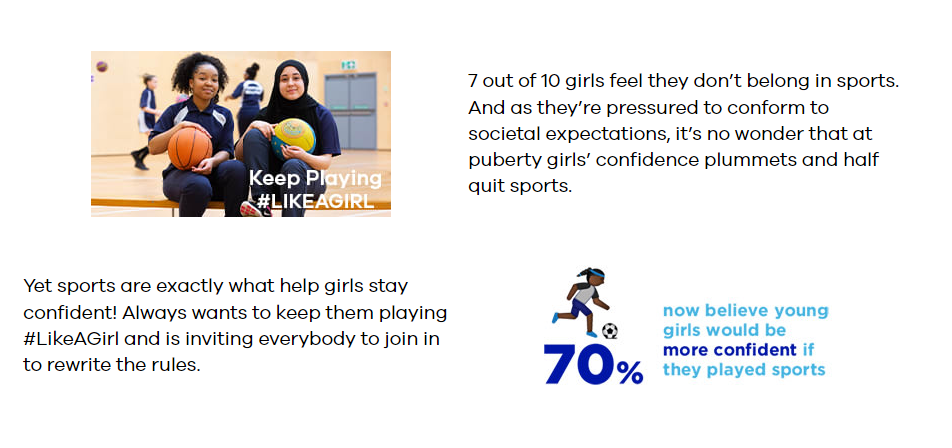
By using this for their campaign, they are encouraging customers to feel empowered when they use their product, while also promoting that doing something ‘like a girl’ does not make you weak, and it can be a good thing.